Vape Culture: Examining the Emergence of Vaping in Contemporary Society
Vaping culture has become a significant trend within younger generations, driven by a desire for healthier alternatives and diverse flavor options. Social media amplifies this trend, presenting vaping as a socially acceptable choice. However, the health implications remain contentious, sparking ongoing debates about its potential risks. As vaping establishments transform into social gathering spaces, the characteristics of this movement remain in constant flux. Where is this rapidly developing culture headed?
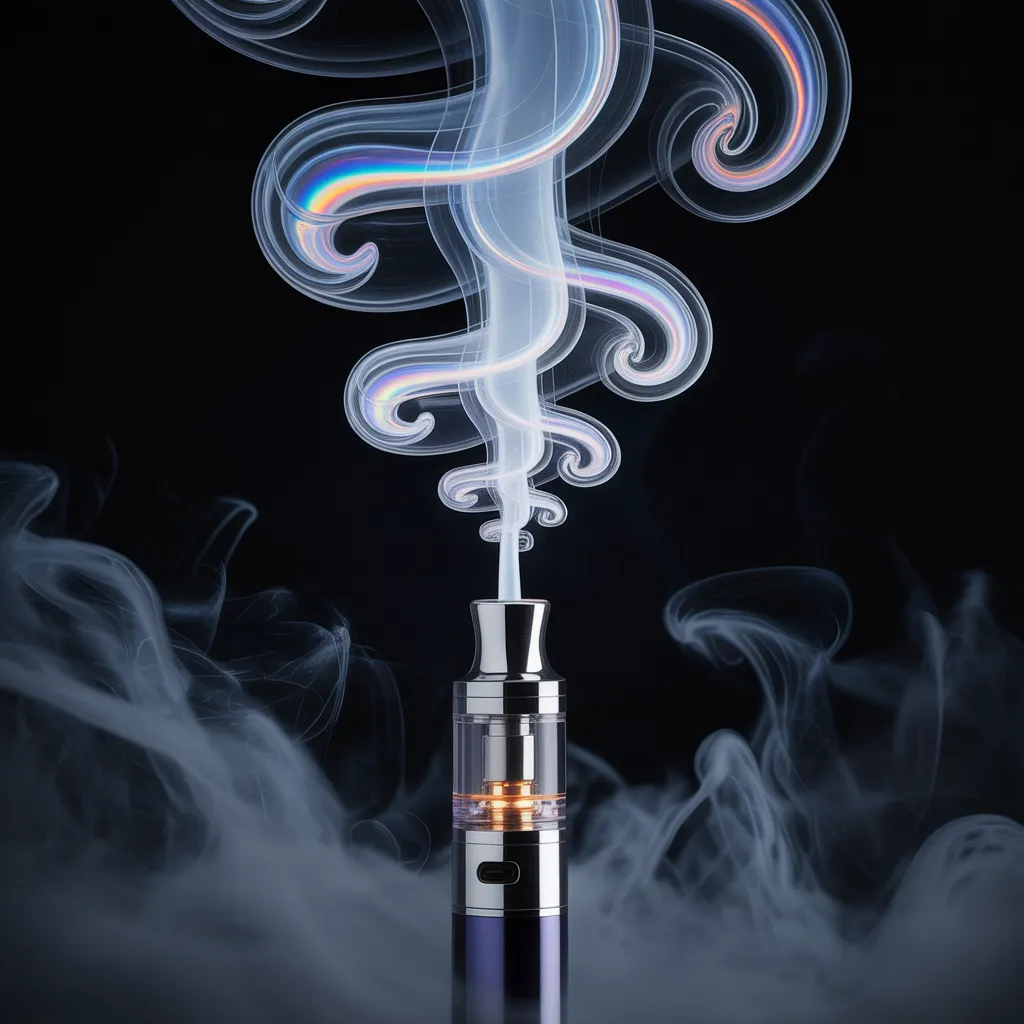
What Is Driving People to Switch to Vaping?
As knowledge of the health hazards connected to traditional cigarette use expands, many individuals are opting for vaping as a perceived safer alternative. This change is motivated by a variety of influences, among them the allure of varied tastes and personalized settings that vaping devices deliver. Many users appreciate the varied flavors, which range from fruity to dessert-inspired, making the experience more enjoyable compared to conventional tobacco. Furthermore, vaping is frequently regarded as a more socially welcomed activity, especially among younger age groups. The technology behind vaping devices also allows for a level of control over nicotine intake, appealing to those looking to reduce consumption gradually. In addition, the belief that vaping is less disruptive and produces fewer lasting odors than cigarette smoking adds to its growing appeal. As a result, a diverse range of individuals, from former smokers to those new to nicotine, are increasingly making the switch to vaping.
Can Vaping Be Considered Safe? The Health Controversy?
How does vaping measure up against conventional smoking in terms of safety? This topic has generated significant discussion among medical experts and everyday people. Although vaping is frequently promoted as a healthier option compared to smoking, the truth is far more nuanced. Vaping devices usually include a smaller number of toxic chemicals compared to regular cigarettes, theoretically diminishing some associated health dangers. Despite this, vaping remains a source of hazardous compounds entering the body, among them nicotine, which carries risks of addiction and potential cardiovascular concerns.
Recent studies have highlighted concerns about the lasting impacts of inhaling vaporized substances, particularly since many ingredients in e-liquids remain unstudied. Furthermore, incidents of lung injuries associated with vaping have been reported, further contributing to the doubt regarding its safety. In the end, while vaping might carry fewer hazards than traditional smoking, it is still associated with notable risks, warranting careful consideration from users and policymakers alike.
Who Is Embracing the Vaping Trend?
What types of people are attracted to vaping? A diverse range of individuals finds appeal in vaping, across different age groups and lifestyles. People in their youth, notably those ranging from their late teens to early twenties, frequently look for substitutes to conventional cigarettes, viewing vaping as a modern lifestyle choice. A significant number are influenced by the belief that vaping poses fewer health risks while providing a personalized experience with diverse flavors and nicotine strengths.
Furthermore, ex-smokers transitioning to vaping constitute a considerable segment. They may see it as a means to reduce nicotine consumption while still enjoying the act of inhaling. A sense of curiosity also compels many people, as the social elements of vaping entice those who wish to connect with like-minded individuals or try new things. The ease of access to vaping, paired with its perceived freshness, keeps attracting a wide range of individuals to the vaping community.
How Social Media Shapes Vape Culture
What role does social media play in shaping vape culture? Social media platforms have become pivotal in promoting and normalizing vaping among various demographics. Via eye-catching visual content, influencers portray vaping as a lifestyle option, routinely stressing its aesthetic qualities and social elements. Vaping-related hashtags and online challenges foster a sense of belonging, motivating users to exchange their experiences and personal preferences. Furthermore, platforms such as Instagram and TikTok enable users to create and distribute tutorials, vaping tricks, and product evaluations, boosting the exposure of vaping products and brands.
This ongoing engagement creates an environment where vaping is not just a practice but a form of self-expression. The viral nature of social media accelerates tendencies, leading to quick transformations in consumer preferences. As a result, social media functions as a double-edged sword, both increasing visibility of vaping and perhaps embellishing the activity, particularly among younger audiences.
How Vaping Impacts Lifestyle Decisions
Vaping has become a significant factor in shaping contemporary lifestyle choices, affecting everything from everyday social encounters to individual identity. For many, vaping serves as a social lubricant, facilitating connections in both casual and formal settings. The act of vaping often creates a shared experience among users, fostering community bonds and establishing norms around social gatherings.
Furthermore, vaping has reshaped personal identity for certain people, setting them apart from traditional smokers or non-smokers. The range of flavors, devices, and brands empowers individuals to showcase their personal preferences, fostering a sense of self-expression.
Furthermore, health-related views regarding vaping have triggered shifts in daily habits; a number of users regard it as a safer alternative to smoking, while certain individuals weave it into fitness-oriented narratives. At its core, vaping impacts preferences regarding social engagement, identity expression, and wellness, showcasing its remarkable reach across today's lifestyle choices.
Vape Shops: Community Hubs for Enthusiasts
In the evolving landscape of vaping culture, vape shops have emerged as vital community hubs for vaping enthusiasts. These locations operate as gathering places where individuals can come together around their common enthusiasm for vaping. Going beyond simple retail, vape shops frequently organize events, such as product tastings and educational workshops, nurturing a welcoming atmosphere among patrons.
The experienced staff consistently share useful knowledge into the most recent vaping devices and e-liquids, improving the overall vaping journey. This individualized service strengthens trust and dedication within the community. Moreover, vape shops commonly cultivate friendly environments, encouraging social interactions among customers, which often results in strong friendships and supportive networks.
As vaping continues to gain popularity, these shops play an important role in shaping a culture centered around exploration and education. By prioritizing community engagement, vape shops not only contribute to individual experiences but also assist in creating a thriving, interconnected vaping community.
The Future of Vape Culture
In what ways will vape culture transform as technology and social perspectives change? As advancements in vaping technology continue, innovations including smart devices and tailored options will likely draw in a larger consumer base. Improved user interfaces and application integrations could examine now enable customized experiences, giving consumers the ability to monitor their usage and flavor choices. Moreover, the rising priority placed on health and wellness could transform attitudes, fostering broader acceptance of vaping as a less detrimental option compared to traditional smoking.
Policy modifications will likewise prove essential as regulatory bodies enforce stronger guidelines, manufacturers may focus on transparency and quality, cultivating a more conscientious sector. Community outlooks may progressively transform, with vaping merging more deeply into contemporary lifestyle, much like artisan brewing or premium coffee. Fundamentally, the evolution of vaping will be marked by a fusion of innovative technology, policy supervision, and changing community attitudes, establishing a singular standing in current cultural discourse.
Commonly Asked Questions
What Flavors Are Most Popular Among Vapers Today?
Fruit-based flavors, notably mango, watermelon, and berry, dominate the vaping market today. Sweet dessert flavors, including vanilla custard and rich chocolate, also remain highly popular, drawing in those who desire rich and satisfying vaping experiences.
What Are the Average Monthly Expenses for Vaping?
Monthly vaping costs usually range from $30 to $100, varying with device type, usage habits, and e-liquid preferences. Frequent vapers may find expenses vary considerably based on their own preferences and vaping frequency.
Do Age Restrictions Apply When Buying Vape Products?
Yes, there are age restrictions when it comes to purchasing vape products. In many regions, individuals must be at least 18 or 21 years old, based on local regulations, to lawfully purchase vaping devices and related accessories.
Can Vaping Help People Quit Smoking Entirely?
Vaping can help certain people stop smoking altogether by providing a less harmful alternative. However, its results differ from person to person, and continued use of vaping can sustain nicotine reliance in certain individuals.
What Are the Most Common Misconceptions About Vaping?
Common misconceptions about vaping encompass the beliefs that it is entirely harmless, that it is free of dangerous chemicals, and that it serves only as a stepping stone to smoking. These misunderstandings have the potential to affect views and habits concerning vaping.